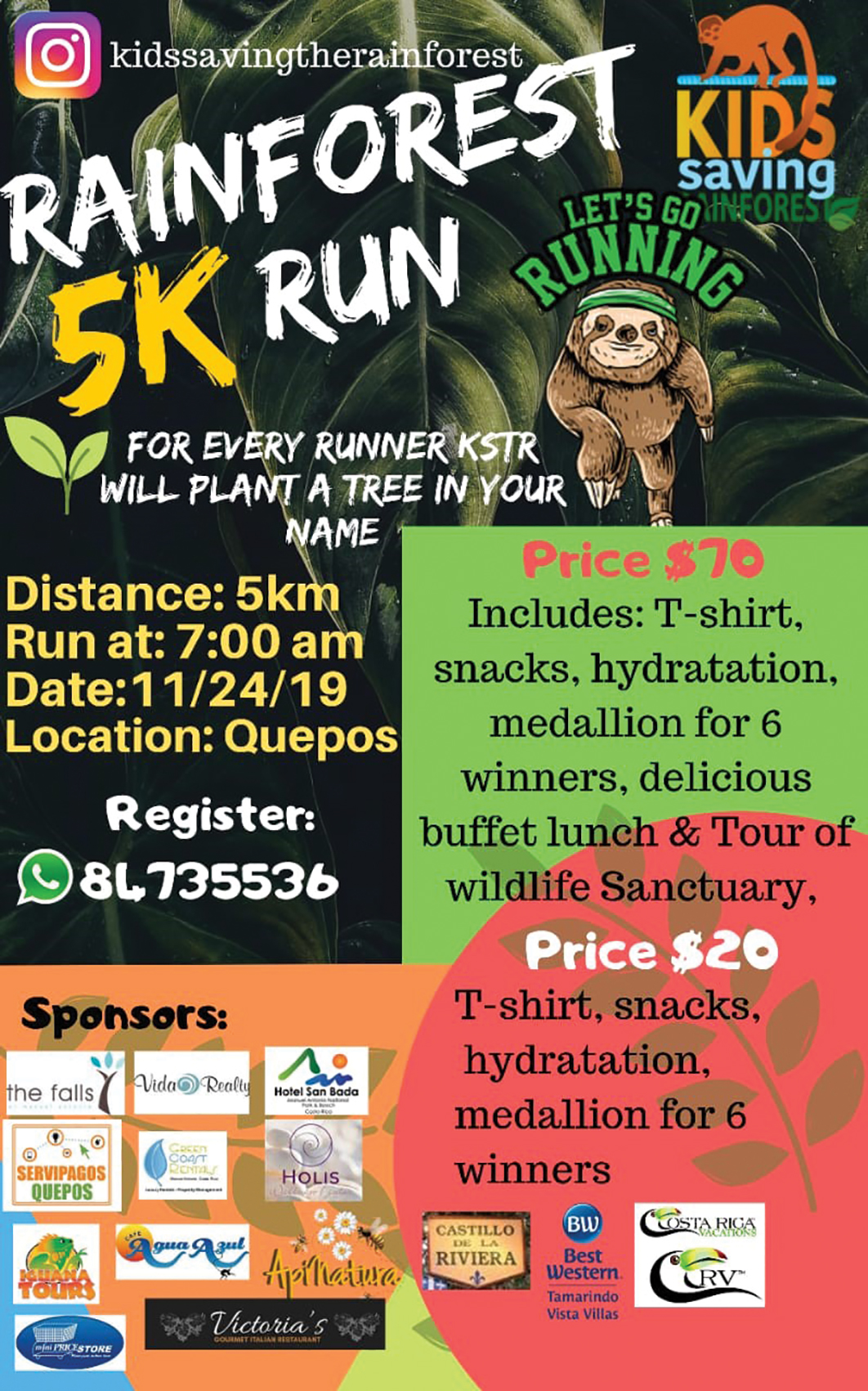
Events

Send us an e-mail if you have an event or live music listing you'd like us to include here. info@quepolandia.com

Raising and Preparing a Kinkajou for a Life in the Wild.

By Pia Martin DVM KSTR Wildlife Vet

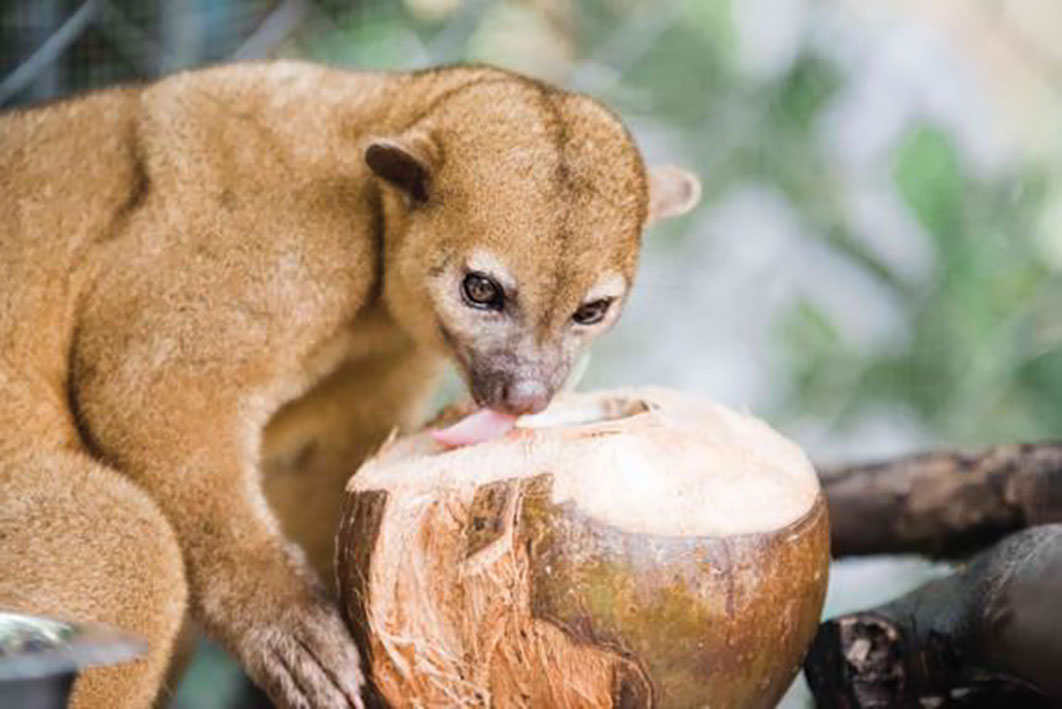
Kinkajous (Potos flavus) and in Spanish “Martillas”, are medium size mammals (40-55cms long, weighing 2-3kg), brownish colored from the Procyonid family. This means they are nocturnal, live in pairs or by themselves and are arboreal and terrestrial; just like raccoons (Procyon lotor) and coatis (Nasua narica). However, they have unique characteristics that make them very special in the rainforest. For example: although they are categorized as carnivores, they do not eat meat. Their diet is basically fruits, flowers, and rarely they will eat a bird’s egg or an insect. They have a 5 inch tongue that helps them get nectar from flowers making them pollinators. Their ankles and wrists can rotate more than most mammals helping them climb up and down trees and walk in branches easily. They also have a long prehensile tail that can wrap itself around a branch and hold on to most of the animal’s weight so it can hang and reach for a fruit in a lower branch.

Kids Saving the Rainforest Logo
Read More…

The Making Of A Monkey Troop

By KSTR Vet Pia Martin

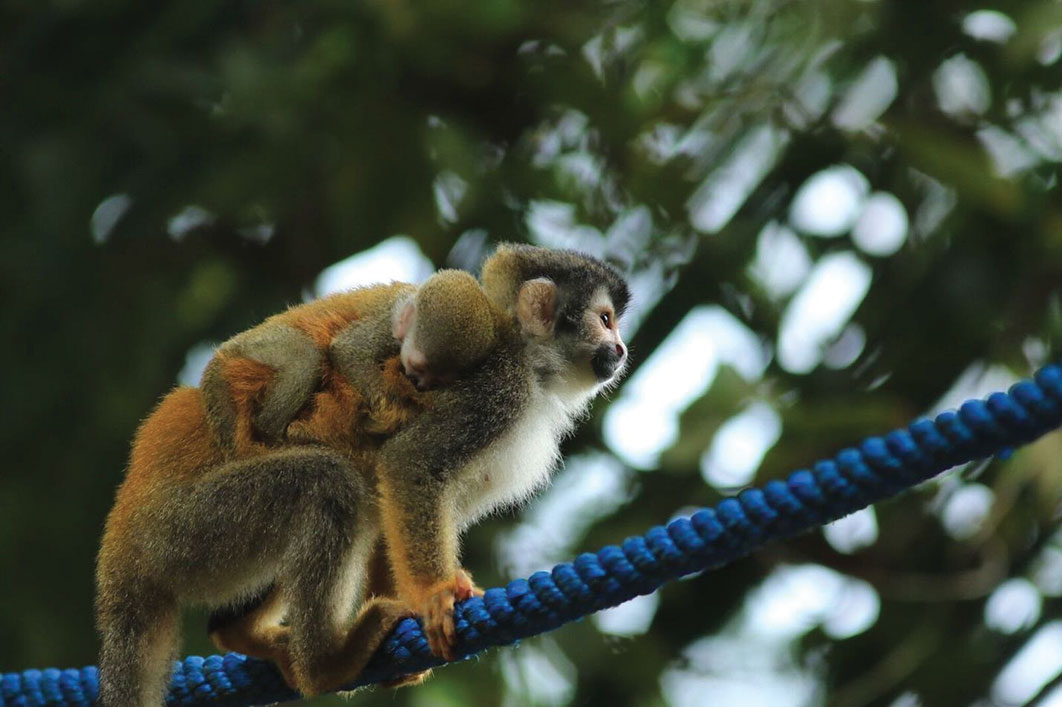
KSTR monkey cageWhite face monkeys are very intelligent new world monkeys. They are omnivores who eat fruits, veggies, insects, eggs, lizards and almost anything that moves. In the wild they are always in the canopy and travel during the morning and afternoon in troops of 7 or more individuals. They are very active, curious, and playful all the time. Their big eyes, pink nose, stand up position and fingers make them very similar to people. Many humans get confused and think that this cute animal will become fabulous and funny pets. However they can’t be more wrong.

Kids Saving the Rainforest Logo
Read More…

Synopsis of Kids Saving The Rainforest

By Jennifer Rice PhD, President of KSTR & Pia Martin DVM, KSTR Manager and Wildlife Vet

Have you ever wondered what Kids Saving the Rainforest does? Well, now is your chance to find out:

• We have a MINAET licensed Wildlife Rescue Center in the heart of ManuelAntonio with over 4 acres of land, 11 cages, and housing for our vet and rehabber. Last year KSTR rescued and rehabilitated 116 animals and released 50% of them. The average in other center worldwide is 33% so we are very pleased with the success rate.

Kids Saving the Rainforest Logo
Read More…

KSTR Update

By Jennifer Rice PhD, KSTR President

Kids Saving The Rainforest has been very busy with lots of great news that we want to share with you.

We now have our official Zoological Garden license. We use this license for our wildlife sanctuary to house any wildlife that can’t be released back into the rainforest, animals that would have to be euthanized if we did not care for them. Currently there are over 20 monkeys protected at the Sanctuary which is called the Kids Saving The Rainforest Educational Center.
Kids Saving the Rainforest Logo
Read More…

The Kids Saving The Rainforest Wildlife Rescue Center

By DVM Pia Martin, KSTR Wildlife Vet

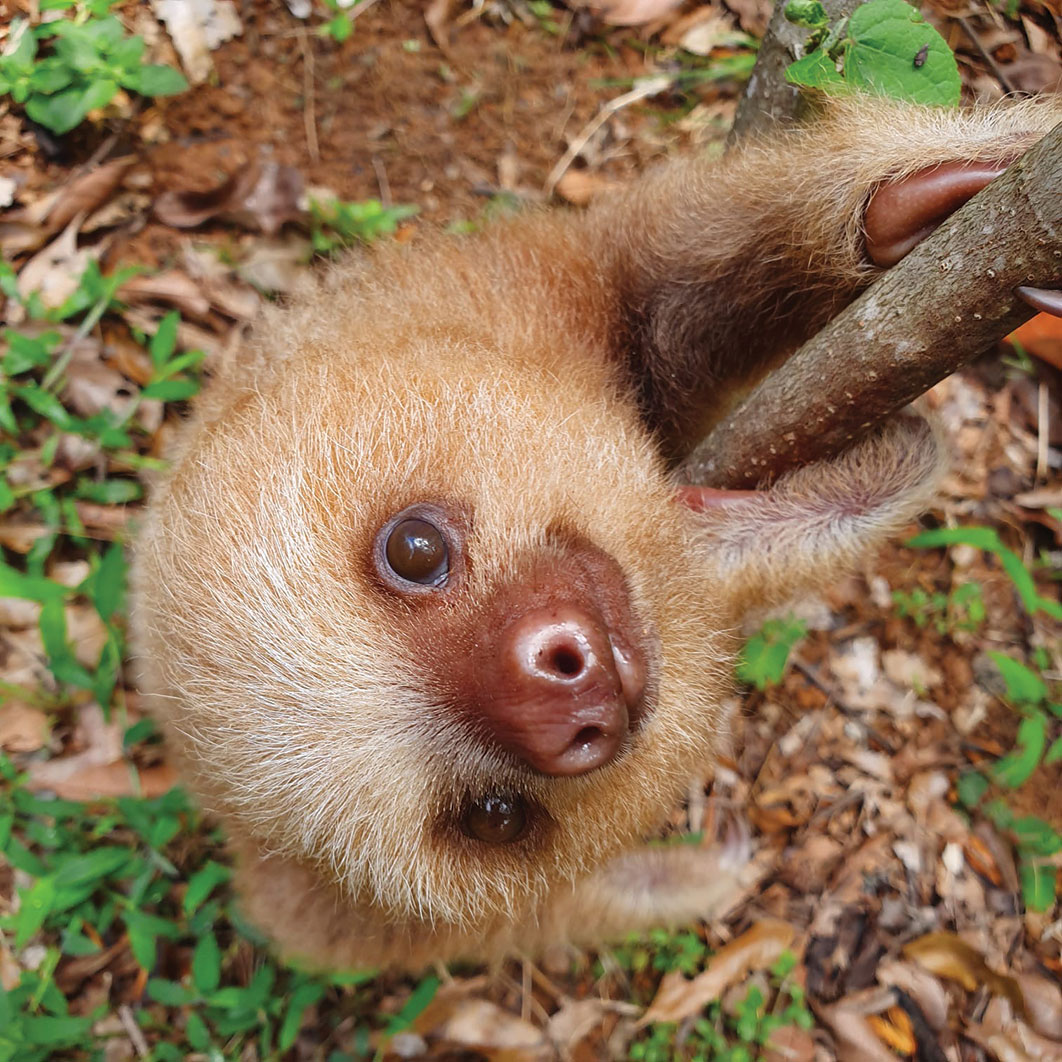
The Wildlife Rescue Center was very busy in 2010 and it was also very successful. We received 116 injured, sick, or orphaned animals, which is 37 more than we received in 2009. Most of them were titi monkeys and both species of sloths, the 3 toed and the 2 toed. However we also treated porcupines, kinkajous, white face monkeys, howler monkeys, ocelots (a wild cat also know as the Dwarf Leopard), and even one otter, among others! Our success rate is increasing year after year, right now with a remarkable statistic of over 50% release percentage. We feel very enthusiastic by this number considering that other wildlife rescue centers barely release up to third of the animals accepted.
Kids Saving the Rainforest Logo

Read More…

The KSTR Organic Farm

By Volunteer Trevor Tierney

Kids Saving the Rainforest recently partnered with Blue Banyan Inn, an environmentally friendly bed and breakfast located right outside of Manuel Antonio.

The Blue Banyan is part of a 75-acre ecologically sustainable community, encompassing KSTR’s new Wildlife Sanctuary and International Volunteer Center, tilapia farms, nurseries, and botanical gardens. As a KSTR volunteer, I spent part of my time volunteering at the Blue Banyan Inn, helping them move towards their goal of becoming fully self-sustainable. My primary job, along with Rodrigo and Tio, two of the workers on staff, was to harvest a food source for the animals housed at the sanctuary.
Kids Saving the Rainforest Logo

Read More…

KSTR and ICE Partner to Save the Monkeys

By Colleen Smith

You see them every day parading across monkey bridges and electrical lines, but the recent electrocution of six titi monkeys in Pocares reminds us that there is still a need for a better balance between our modern world and the surrounding eco-community. While we need electrical lines to power our needs, the trouble for wildlife starts when the wires—either two primary or a primary and secondary—make contact with a grounded object, such as a tree or land, or with each other. When this occurs, the wires become electrified, creating a dangerous situation for monkeys accustomed to using them as a means of passage.
Kids Saving the Rainforest Logo

Read More…