Bienvendio/Welcome to our beautiful corner of Paradise- blue blue skies- beautiful green trees and plants and maybe a little rain – but then it is “Green Season”…….so enjoy everything you do while visiting Quepos/Manuel Antonio & all of Costa Rica….and we have lots for you to do! Try flying thru the air on a zip line, rafting a rushing river, repelling down a waterfall, horseback riding on one of our beautiful beaches, snorkeling/diving, or parasailing – you name we have it for an exciting vacation —or—just relax on the beach or at the pool with a cool drink and watch the birds and monkeys play – visit with our advertisers and hear the stories of the locals - we guarantee you won’t be bored…..and when you get hungry rest assured that we have the finest restaurants with the freshest food to delight everyone in your group. Enjoy our Pura Vida life style – relax and stay awhile……we hope that you have found Quepolandia helpful and enjoyable – we would like to thank David for the great Marlin picture which makes our cover this month- and check our website for other wonderful photos sent in by our readers…………on June 1st Mother Nature hit this area hard with high sustained winds & rain—toppling many of our beautiful trees, knocking out power/telephone – damaging homes and businesses- & closing the Manuel Antonio National Park for a week – we would like to thank everyone from government agency to the general local population that pitched in to clean us up and get us back in business………………so enjoy your stay and come back soon……………caio………….P
Filed under: Pat Cheek, Qué Pasa en Quepos on July 2nd, 2010
No Comments »
By Jim Parisi
Did you know that frogs don’t drink water? It’s true: instead of lapping it up with their tongues in the conventional sense like a dog or a cat, frogs absorb water through their skin. I learned this bit of interesting information, and a lot more, when I recently read Adrian Forsyth’s new book, “Rainforests – Costa Rica and Beyond”. Forsyth, and award winning author and biologist, is definitely at home in the rainforest, drawing on more than forty years of experience as reference to present this publication. And it is some impressive experience that Adrian brings to the table: Vice President of the Blue Moon Fund, Director of Biodiversity Science for the Andean/Amazon Foundation, a PhD from Harvard in tropical ecology, Vice President of Conservation International, a research associate at the Smithsonian Institute, and the list goes on from there. Forsyth is also the author of at least five books ensconced in ecology, including the eye-catching title, “The Natural History of Sex”.

(more…)
Filed under: Book Review, Jim Parisi on June 30th, 2010
No Comments »

Filed under: Luciano, Potty Time on June 30th, 2010
No Comments »
Did you know that…
Rainforests are primarily defined by two factors: where they are found on the earth and the amount of rainfall they receive. Rainforests are typically found in tropical locations and receive from 160-315 inches of rain per year.
There are 3.4 million square miles of tropical forest around the equator.
While rainforests cover only 2% of the Earth’s surface or 6% of its landmass, they house over ½ of the plant and animal species on Earth.

(more…)
Filed under: Kids Saving the Rainforest on June 28th, 2010
No Comments »

Alzo la mano, y tú me la cercenas. Abro los ojos, me los sajas vivos. Sed tengo, y sal se vuelven tus arenas.
Esto es ser hombre. Horror a manos llenas. Ser –y no ser- eternos, fugitivos. ¡Ángel con grandes alas de cadenas!
Blas de Otero
Una lengua no solo necesita palabras que expresen conceptos y sucesos, como los sustantivos y verbos, sino que también requiere palabras que expresen las variadas relaciones entre los conceptos y las situaciones.
En español, existen dos tipos de palabras que cumplen la función de nexo, porque unen otros tipos de palabras, frases u oraciones. Estas palabras son las preposiciones y las conjunciones.
La diferencia entre ambas radica en el tipo de unión que establecen. Los elementos que unen la conjunción mantienen el mismo nivel sintáctico, mientras que la preposición establece una relación de dependencia. Por ejemplo, si se quieren unir las palabras “pan” y “mantequilla”, se podría recurrir a una conjunción y decir: “pan y mantequilla”. En este caso, ambas palabras se encuentran a un mismo nivel. Sin embargo, si se unen mediante una preposición se diría “pan con mantequilla”, la segunda palabra ya no se encuentra al mismo nivel de la primera, sino que estaría subordinada a esta.
(more…)
Filed under: Academia D'Amore, Tico Talk on June 28th, 2010
No Comments »
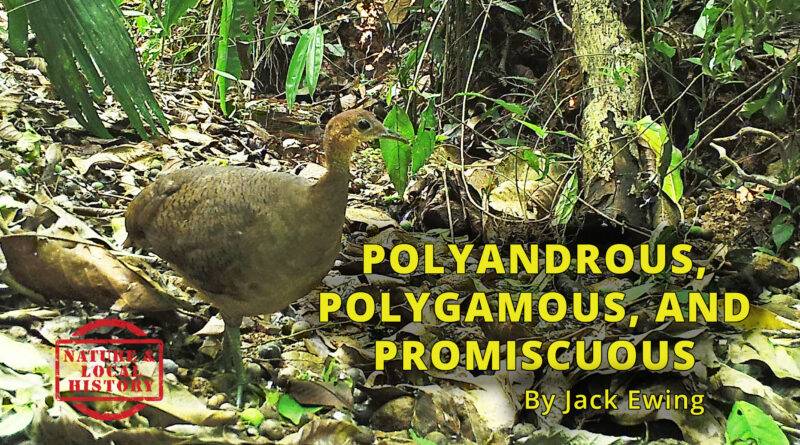
by Jack Ewing
These days everybody knows that Costa Rica is a Central American country located between Panama and Nicaragua, but there was a time when it was fairly common for people to confuse it with Puerto Rico. I once made that mistake myself. Little did I know that I would end up living here for most my life.
As director of Hacienda Barú National Wildlife Refuge, I meet lots of people and am often asked the question: “How long have you been here?”
“Forty years”
“Wow, what did you do, come down here on vacation and never leave?”
“Well no, it wasn’t quite like that.”

(more…)
Filed under: Jack Ewing, Nature Stories on June 26th, 2010
No Comments »
by Matt Casseday
So there I was, strapped to a gurney in the Quepos hospital. My bata was askew, private parts exposed, and a self-assured man in a green surgical suit was fitting a breathing apparatus over my nose and mouth. “Respire profundo”, he ordered, and I took one, two, three deep breaths. As consciousness slipped away, brutally and rapidly, my last thought was: `This must be what its like to die.´
(more…)
Filed under: Crazy From the Heat, Matt Casseday on June 23rd, 2010
No Comments »